Need help with pricing, lead time, customization, compliance, or order concerns? Leave your details and our management team will contact you directly.

Why RFID Beats Barcodes in Commercial Laundry Operations
Barcodes fail first.
Not in the conference room, obviously, where every system looks tidy on a slide, but on the actual plant floor—next to the sling carts, the damp bundles, the wrinkled labels, the rushed sorters, the tunnel washers, the clean-side bottlenecks—where a barcode suddenly needs one annoying thing it always needs: a human being to present it properly. Then the whole “simple and low-cost” argument starts wobbling. Why? Because the process has already slowed down before anyone admits it.
Table of Contents
GS1 US guidance on RFID asset tracking says the quiet part out loud: RFID doesn’t require line of sight, and fixed readers can keep scanning tagged items as they pass through a read zone without somebody aiming a scanner at every piece. That’s not a small edge. That’s the whole case. In laundry, flow wins. Pauses kill.
I frankly believe this is where barcode defenders lose the plot. They price the label. I price the interruption.
Commercial laundry RFID is labor math, not tech theater
I’ve seen this movie.
A plant manager tells me barcode labels are “good enough,” then—ten minutes later—starts explaining overtime, recounts, mystery shortages, route credits, and those lovely customer calls where nobody can prove whether the linen disappeared in the hotel, on the truck, or in the plant. That’s not “good enough.” That’s a leak with a spreadsheet wrapped around it.
The U.S. Bureau of Labor Statistics wage tables for laundry and dry-cleaning workers put the national mean hourly wage for laundry and dry-cleaning workers at $15.33 in May 2023, and that’s before you stack on the cost of rescans, recounts, and labor spent chasing exceptions that shouldn’t exist in the first place. Cheap labels become expensive workflows when the system keeps needing human babysitting.
That’s the ugly truth.
And no, I’m not saying RFID is free. It isn’t. Readers cost money. Tags cost money. Integration costs money. But if your operation is pushing serious volume, then the real question isn’t “What does the tag cost?” It’s “How much am I spending because this plant still relies on line-of-sight scans in a no-line-of-sight environment?”
Barcode vs RFID laundry tracking in one table
Here’s the blunt version.
The operational difference isn’t subtle, and the table below reflects what GS1 says about RFID’s no-line-of-sight reading plus what CDC says about handling contaminated textiles in healthcare environments.
| Operational issue | Barcode system | RFID laundry tracking system | What it means on the floor |
|---|---|---|---|
| Read method | Requires visible label and directed scan | Reads without line of sight | Less stopping, less label presentation |
| Volume handling | Usually one item at a time | Bulk reads possible in carts, portals, and racks | Faster intake, sort, and outbound verification |
| Labor dependency | High | Lower | Better pounds-per-operator-hour potential |
| Wet/soiled workflow | Optical label quality can degrade or be obstructed | Tag can still be captured if embedded and readable | Fewer blind spots in real laundry conditions |
| Exception management | Missing scan often means missing history | Each read event builds item history | Better dispute resolution and proof of processing |
| Healthcare traceability | Harder to maintain consistent chain-of-custody | Easier to timestamp item movement | Better support for infection-control documentation |
| Customer visibility | Limited | Near real-time item status possible | Stronger SLA conversations with hotels and hospitals |
The 2024 case studies are more convincing than most vendor decks
Numbers talk louder.
Take RFID Journal’s May 2024 report on Royal Jersey Laundry. This isn’t a tiny boutique operation trying to sound innovative on LinkedIn. It’s a real commercial plant serving London’s luxury hotels, processing 550,000 individual pieces per week, running about 40 tons of washing per day, and operating 24/7. RFID, according to that report, improved efficiency, reduced labor, and improved customer satisfaction—and some hotel clients started using the technology on-site too. That’s what I care about: measurable operational pull, not abstract “digital transformation” chatter.
Then there’s RFID Journal’s April 2024 report on Hospital Israelita Albert Einstein, where RFID was used to manage 158,000 linens and reportedly saved $300,000 in one year. People love dismissing hospital examples as “too specialized,” which I think is backwards. Hospitals are exactly the environments worth watching because they punish sloppy textile tracking faster than hotels do. If RFID works there, under that level of accountability, it tells you plenty.
And I wouldn’t ignore RFID Journal’s September 2024 report on Centro Hospitalar de Entre Douro e Vouga in Portugal, either. That deployment reportedly cut laundering by 15%, reduced new-product ordering by more than 50%, and pushed ROI to under two years. Read that again. The savings weren’t just about finding missing pieces. They came from running a tighter textile economy—less over-laundering, less panic buying, less blind inventory padding. That’s where industrial laundry RFID gets interesting.
Why RFID linen tracking systems hold up better in real wash environments
Wet linen lies.
A barcode can look “present” and still be unreadable. It can be folded under a hem, buried in a bundle, scuffed, stained, cracked, peeled, or just facing the wrong direction when somebody’s trying to clear a backlog before the second shift rolls in. That happens constantly. Anybody who says otherwise hasn’t spent enough time around a soil-sort belt.
RFID linen tracking systems fit the mess better. Not perfectly—nothing is perfect in a laundry—but better. The read event doesn’t depend on that little optical moment where the label has to be visible, flat, and politely aimed at a device. That’s why I keep saying RFID matches the physics of the plant more honestly than barcode ever did. GS1’s own material makes the same core point: no line of sight, continuous reads, less dependence on manual presentation.
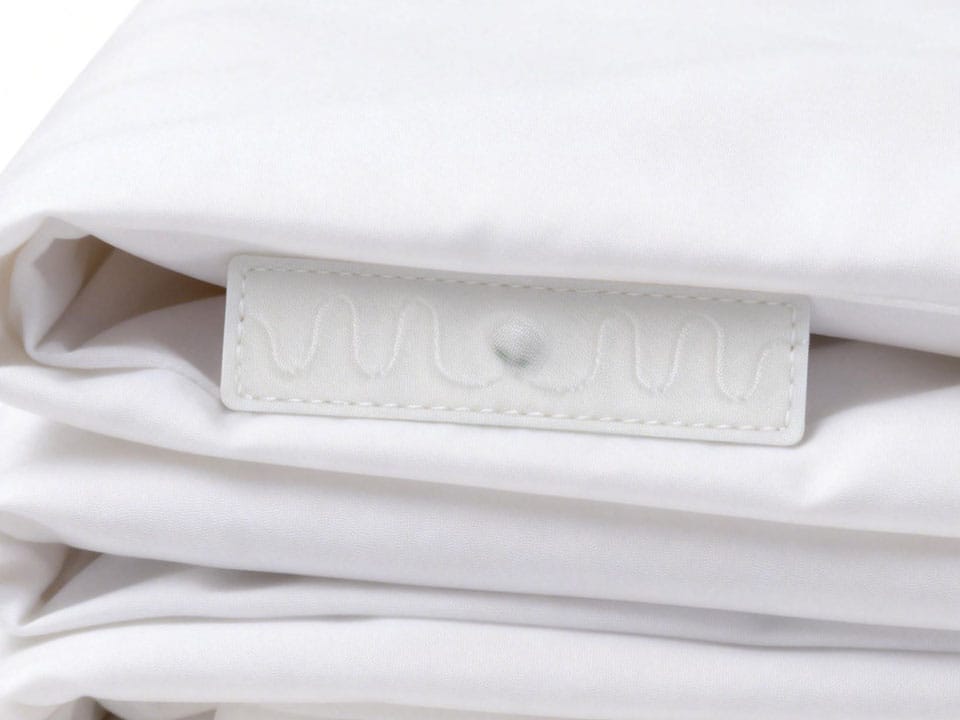
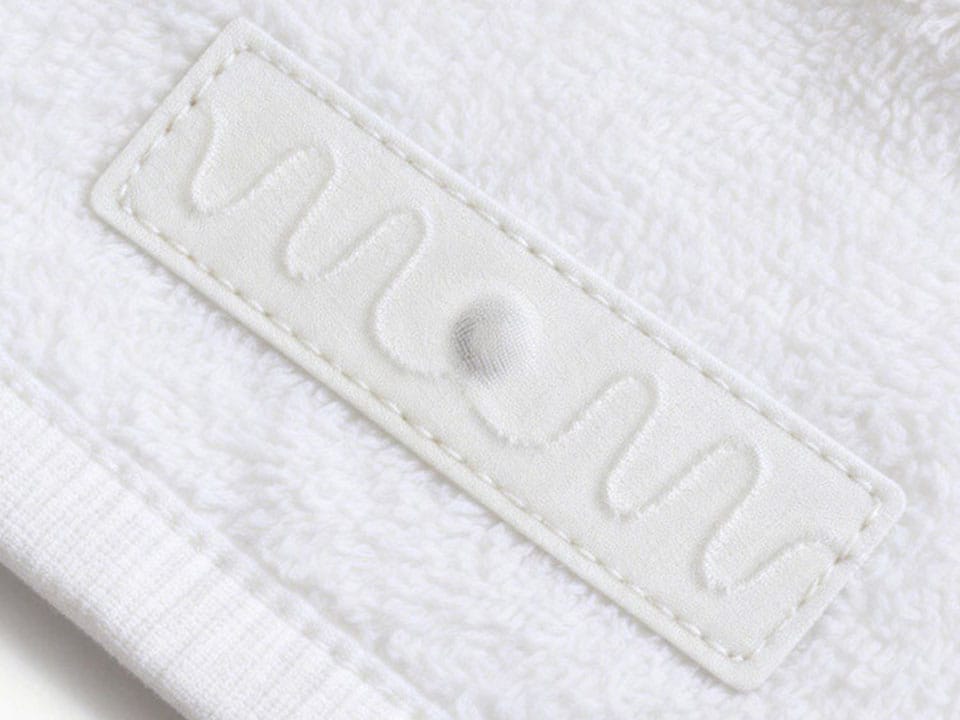
And this is where tag choice matters more than PowerPoint. For flatwork or hospitality linen pools, I’d look at waterproof silicone RFID tags for laundry use or washable silicone RFID tags for linen management because flexibility and low profile matter when goods are getting washed, pressed, folded, stacked, and shoved through the same cycle all week.
But some plants are brutal.
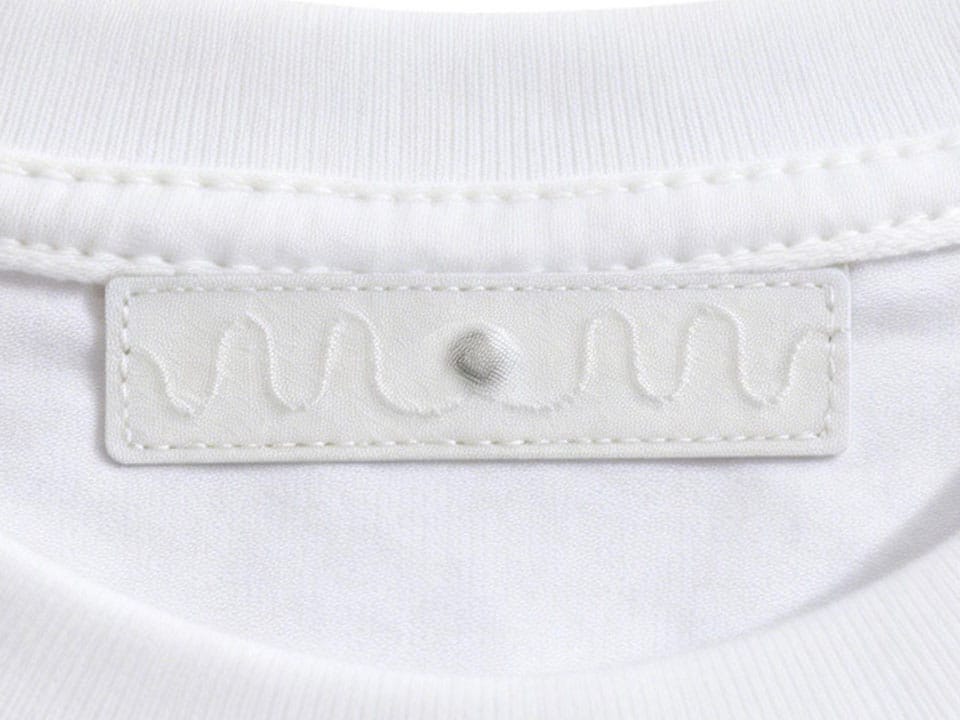
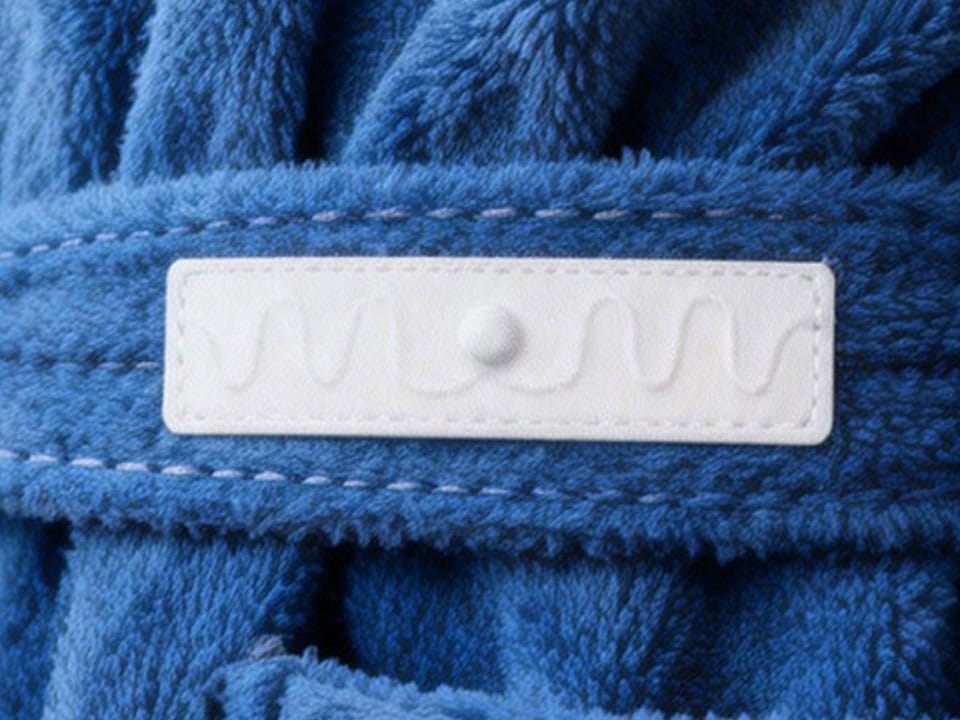
For tougher abuse—and yes, some plants absolutely chew through components—I’d also assess waterproof PPS RFID tags for commercial laundry, especially where abrasion and harsher chemistry make softer formats a bad match. And for RFID uniform tracking, especially in mixed workwear programs where garments behave differently than sheets and towels, washable RFID fabric tags for workwear tracking usually make more sense than forcing a linen-style tag into a garment program that has totally different stress points.
The infection-control argument is stronger than most people admit
This part gets ignored.
But it shouldn’t. The CDC says contaminated healthcare textiles can carry bacterial loads of 10^6 to 10^8 CFU per 100 cm² of fabric, and it also notes that disease transmission tied to healthcare laundry has involved contaminated fabrics handled inappropriately, including the shaking of soiled linens. Once that’s on the table, “manual handling” stops sounding harmless. It starts sounding like an exposure variable.
So from my experience, the case for laundry asset tracking in healthcare isn’t just about loss prevention or billing integrity—though both matter. It’s also about reducing unnecessary touches, tightening dirty-to-clean discipline, and creating a timestamped item history that can stand up when somebody asks awkward questions later. And they will ask. Usually after something has already gone wrong.
That’s why commercial laundry RFID gets traction fastest in hospitals, hospitality, and uniform programs with compliance pressure. Nobody in those sectors wants to argue from memory. Memory is not an audit trail.
What barcode supporters still get right—and where they still lose
To be fair, barcode isn’t dead.
If you’re running a smaller, lower-volume operation with limited SKU complexity, short internal travel distances, and very little demand for item-level accountability, barcode can still be perfectly serviceable. I’m not allergic to cheap systems. I’m allergic to pretending a cheap system is still cheap after the labor drag shows up six different ways.
That distinction matters.
Because large-scale commercial laundry operations—especially the ones touching healthcare linen, hotel textile pools, or managed workwear—aren’t simple environments. They’re high-churn plants with route pressure, customer penalties, cart congestion, wash-aisle bottlenecks, stockroom arguments, and constant pressure to keep pounds moving without losing control of the textile pool. In that world, barcode vs RFID laundry tracking isn’t some abstract tech debate. It’s throughput. It’s proof. It’s margin.
And yes, RFID can be botched. Bad portal placement. Weak read-zone design. Wrong tag construction. Messy data mapping. I’ve seen all of that too. But those are deployment mistakes. Barcode’s weakness in laundry is more basic than that—it’s built into how the thing works.
FAQs
What is RFID laundry tracking?
RFID laundry tracking is an item-level identification system that embeds washable radio-frequency tags into linens or uniforms so readers can capture location, wash counts, circulation status, and movement events automatically at portals, carts, shelves, and dock doors without requiring a worker to expose each label for scanning. That means every tagged textile can build an actual movement history instead of depending on scattered manual scans that are easy to miss under pressure.
Why is RFID better than barcodes in commercial laundry?
RFID is better than barcodes in commercial laundry because passive UHF tags can be read in bulk, without line of sight, while textiles are stacked, bagged, moving, or hidden inside carts, which reduces manual handling and keeps item histories more complete across wash, sort, pack, and outbound verification. That’s why higher-volume plants usually see the value faster: less stopping, fewer blind spots, and better exception control when customers dispute counts.
How to track linens in commercial laundry with RFID?
To track linens in commercial laundry with RFID, a plant tags each textile with a unique identifier, installs readers at key choke points such as receiving, sorting, finishing, storage, and dispatch, and then connects those read events to inventory, customer allocation, wash-cycle history, and loss reporting. The smart way to do it is not “tag everything tomorrow.” Start with the textile class that causes the most pain—usually the one driving shortages, credits, or constant recounts.
What is the best RFID system for commercial laundry?
The best RFID system for commercial laundry is the one whose tags survive your chemistry, heat, extraction, and handling abuse while its readers consistently capture the operational choke points that drive labor, shrinkage, and customer disputes, rather than producing pretty dashboards with ugly gaps underneath. I’d judge it on read reliability, wash survivability, exception handling, and how quickly it earns back the spend—not on marketing fluff. The 2024 hotel and hospital deployments make that pretty clear.
Your Next Step
Run a real pilot.
Not a vanity pilot. Not the kind where everybody behaves perfectly for two weeks because visitors are on-site and the dashboards look nice. I mean a nasty little operational pilot—90 days, one problem textile class, three read points, hard metrics, no excuses.
I’d measure four things first: touches per item, shortage rate, rewash rate, and time wasted on “we can’t find it” disputes. If those numbers are fuzzy right now, that’s already telling you something. You’re not managing the textile pool with confidence. You’re estimating it.
So do this: pick one high-friction category, tag it, read it at soil sort, clean-pack, and outbound, then compare the exceptions against your current workflow. Keep the scope tight. Keep the math ugly and honest. That’s how serious RFID laundry tracking programs start—and, frankly, it’s how weak barcode assumptions finally get exposed