Need help with pricing, lead time, customization, compliance, or order concerns? Leave your details and our management team will contact you directly.


RFID Tag Engineering
Need to build better RFID tags? Discover engineering fundamentals, from antenna tuning to material selection, to optimize tag performance and durability.
High Durability
Built for repeated washing, drying, sterilization, and industrial laundry use.
Factory Direct
Professional RFID laundry tags manufacturer with stable supply, custom options, and global delivery.
RFID Laundry Tag Guide: Heat resistance UHF Washable Tags

Industrial UHF RFID laundry tags withstand heat, chemicals, and washing cycles while improving linen tracking, reducing losses, and boosting efficiency.
Which RFID Laundry Tag Type Is Best for Your Plant Environment

Most laundries do not have a tag problem. They have a testing problem. Here is how I would choose RFID laundry tags for flat linen, healthcare, cleanroom garments, and harsh industrial workwear without wasting money on the wrong format.
Will RFID Laundry Tags Still Read When Wet and Tightly Stacked

Most RFID failures in laundry are not mysterious. They come from cheap tags, bad placement, and lazy testing. Here is the technical reality behind wet reads, dense stacks, PPS vs. silicone, and what a serious buyer should demand before rollout.
Which Textiles Can Be Tracked with Washable RFID Laundry Tags
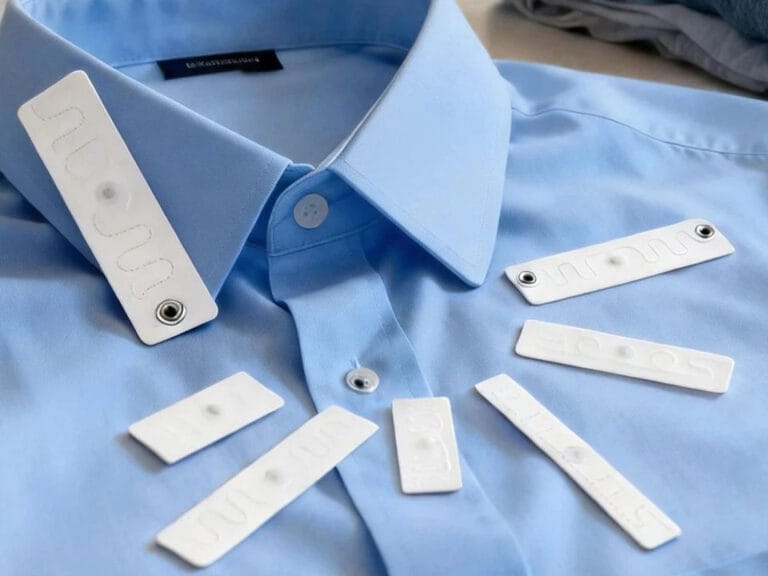
Most reusable textiles can be tracked with RFID laundry tags, but not all of them should be. The winners are high-volume, repeatedly laundered items with loss, billing, compliance, or lifespan risk: linens, towels, gowns, uniforms, reusable surgical textiles, mats, mops, and shop towels.
How does an RFID Laundry Tag Work
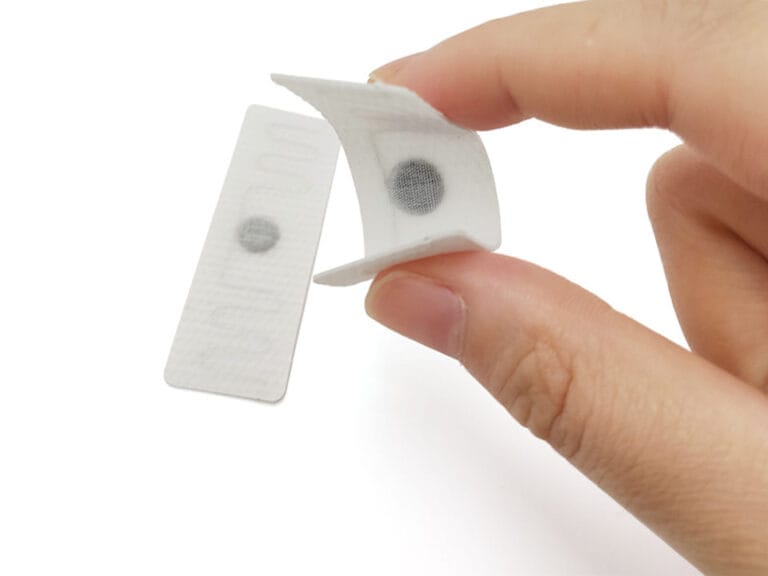
RFID laundry tags are not magic. They are sealed passive identifiers that survive brutal wash cycles, then feed a software layer that counts linens, tracks uniforms, and exposes where textile loss actually happens. I’ll explain the radio physics, the workflow logic, and the industry nonsense you should ignore.
Why This RFID Laundry Tag Design Outperforms Standard Labels
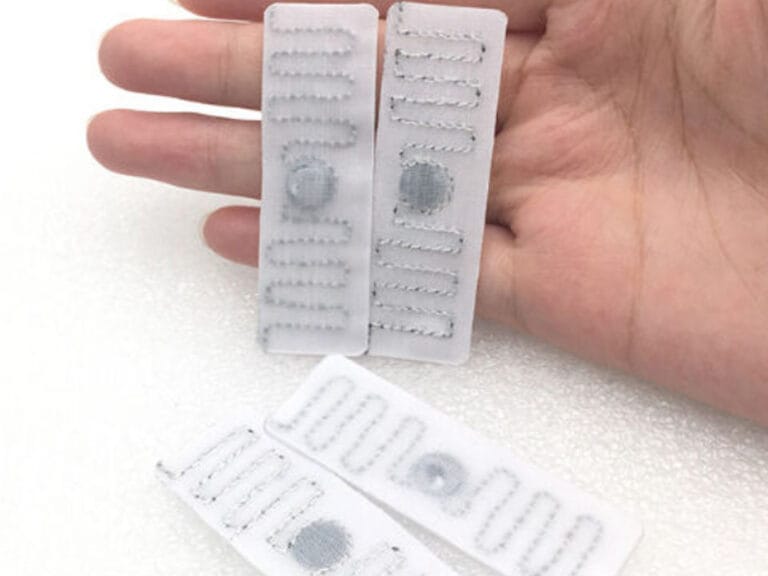
I’ve watched too many laundry pilots fail because teams bought “RFID” as a buzzword instead of buying the right tag design for heat, chemistry, read zones, and asset life. The real win is not the chip. It is the design discipline around the chip.